
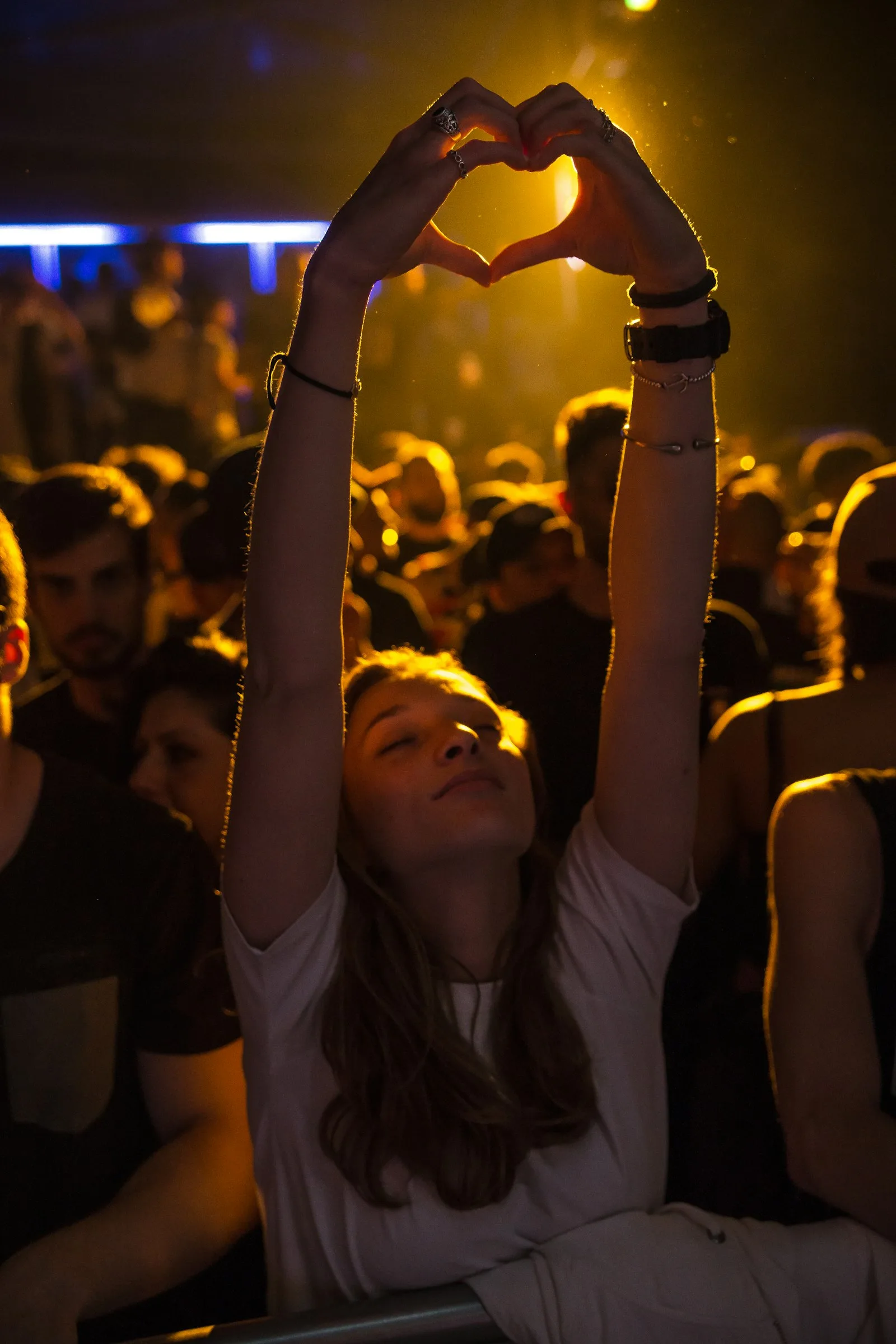
Berlin’s Clubcommission published Clubkultur Berlin 2026 this August: more than 100 clubs surveyed, and the headline is brutal. In 2017, food and drink made about 60% of revenue and tickets about 25%. Now tickets are 59%. The bar no longer floats the night. Pollstar summarised it as a business model flipped on its head.
People go out less often, arrive later, drink less, and still want the music. Operators have expanded lineups (62%), raised drink prices (67%), and ticket prices (47%). At least 24 rooms have closed since 2020; about 25 have opened. 95% of respondents say that without structural help, long-term survival is at risk. The commission’s line is that club culture is not dying — it is under pressure to transform.
That transformation is already visible: music-first rooms, memberships, earlier doors, less bottle-service fantasy. For labels it means the door price is the product. If the night is expensive, the music has to justify it. Filler tracks are a luxury nobody can afford.
We will keep releasing records that can carry a ticketed room. That is the only honest response.